If you are caring for someone in Scotland without pay, there is a good chance you are entitled to financial support you have not yet received. Research consistently shows that unpaid carers are among the groups least likely to claim all the benefits available to them — not because they do not need the help, but because the system is genuinely hard to navigate, and most carers are too busy looking after someone else to find the time.
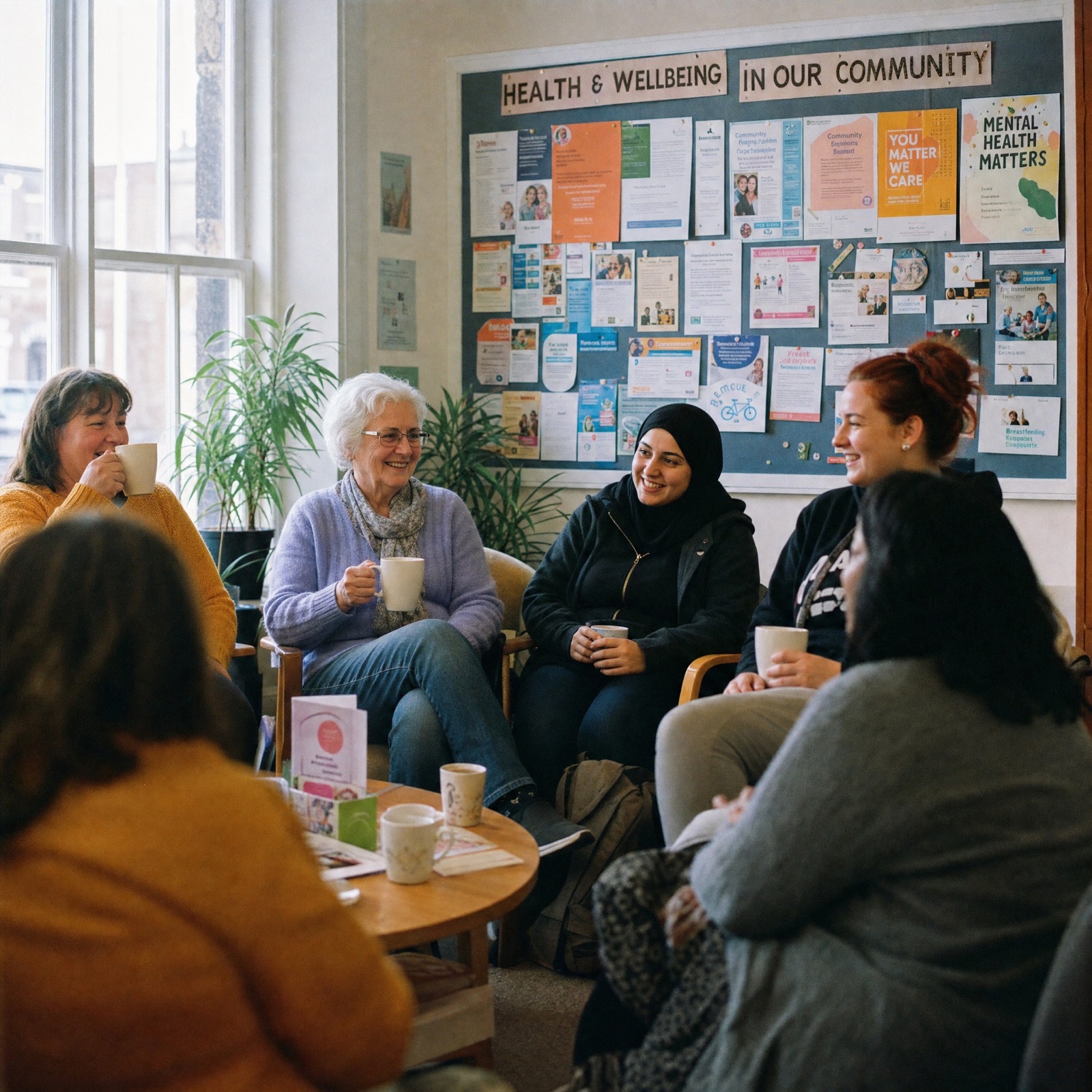
At Vibrant Health Advocates - Delta, one of the most common things we hear from carers attending our support circles for the first time is: "I did not realise I could claim anything." This guide sets out the main benefits available specifically in Scotland, in plain language, so you can see at a glance what might apply to you.
Carer Support Payment is the Scottish Government's replacement for Carer's Allowance in Scotland. It is worth £81.90 per week as of 2025/26 and is available to carers who provide at least 35 hours of unpaid care per week to someone receiving a qualifying disability benefit such as Personal Independence Payment or Disability Living Allowance. Administered by Social Security Scotland, it has a more generous earnings threshold than the old UK-wide system, meaning more working carers now qualify than before.
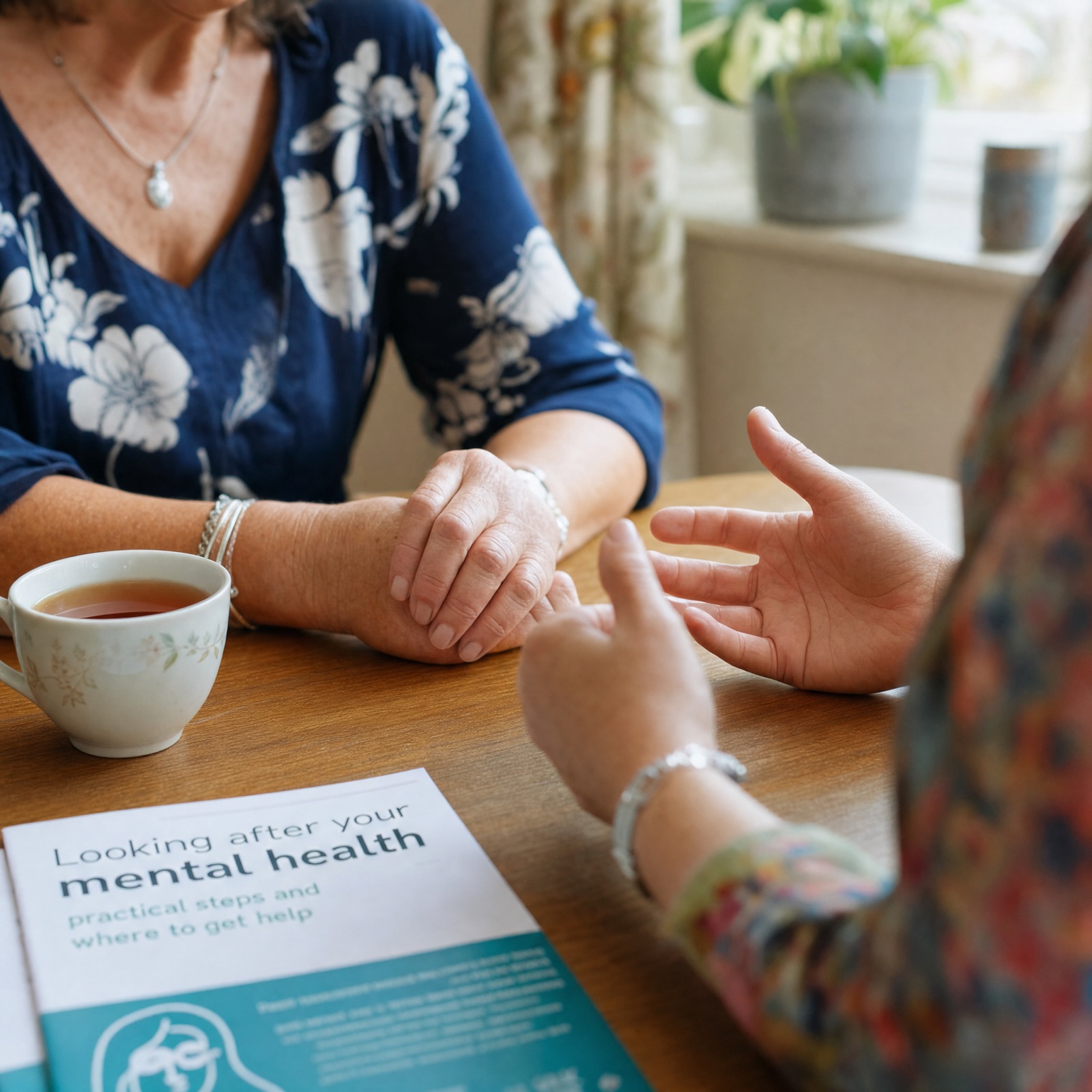
A Carer's Assessment from Renfrewshire Council is not a financial payment, but it is worth pursuing because it can unlock practical support — including respite services, help at home, and access to local carer funds. You are legally entitled to request one, and it is entirely separate from any assessment of the person you care for. Many carers skip this step assuming it involves a great deal of paperwork or that they will be turned down. In our experience, the process is usually straightforward and the outcomes can be genuinely life-changing.
If you are on a lower income, you may also be entitled to additional support through Universal Credit's carer element, council tax reductions, or the Scottish Welfare Fund, which offers one-off grants for essential items and short-term crisis support. These benefits interact with each other in ways that can be confusing, which is exactly why we offer plain-language guidance at our support circles and through one-to-one follow-up appointments.
The most important thing to know is that you do not have to work this out alone. If you would like help understanding what you might be entitled to, come along to one of our fortnightly circles in Paisley or get in touch with us directly. No appointment is needed, and there is no such thing as a question too small to ask.